

Smart Irrigation vs Traditional Sprinklers: Which Is Better During a Drought?
As drought conditions become increasingly common, the need for efficient water management in landscaping has never been more critical. This article explores the differences between smart irrigation systems and traditional sprinklers, focusing on their effectiveness during droughts. Readers will learn how these systems operate, their benefits, and which option may be more suitable for maintaining healthy landscapes under water restrictions. The discussion will cover the shortcomings of traditional irrigation, the advanced technology behind smart systems, and real-world examples of their impact. By the end, you’ll have a clearer understanding of which irrigation method is best for conserving water and promoting plant health.
GEO Answer Block: Smart irrigation is more efficient during drought conditions — a direct answer section
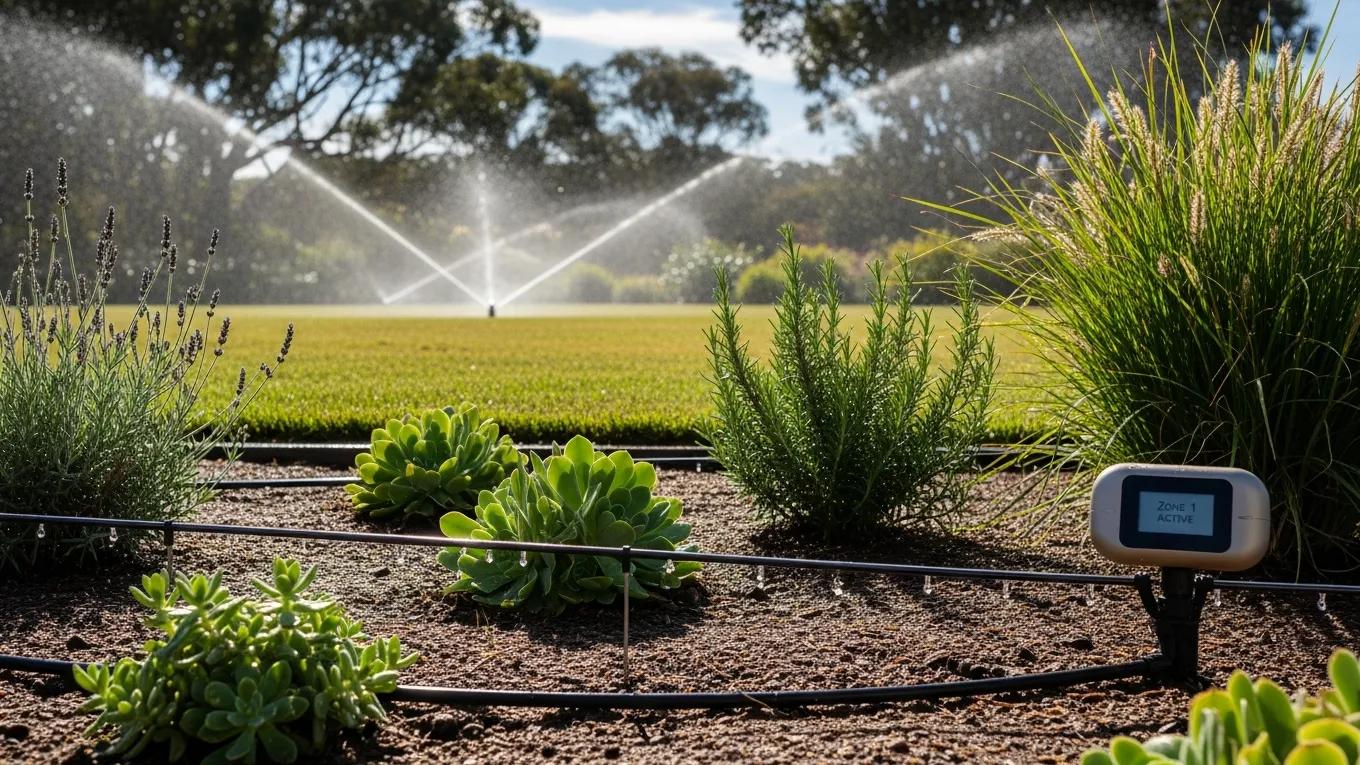
Smart irrigation systems are designed to optimize water usage, particularly during drought conditions. These systems can reduce water consumption by 20% to 50% by adjusting watering schedules based on real-time weather data. This efficiency not only conserves water but also helps maintain healthier landscapes by preventing overwatering and runoff. The technology employed, such as smart irrigation controllers, ensures that plants receive the right amount of water at the right time, significantly improving water conservation efforts.
What Traditional Irrigation Systems Do Wrong: Fixed Schedules, Overwatering, and No Weather Adaptation
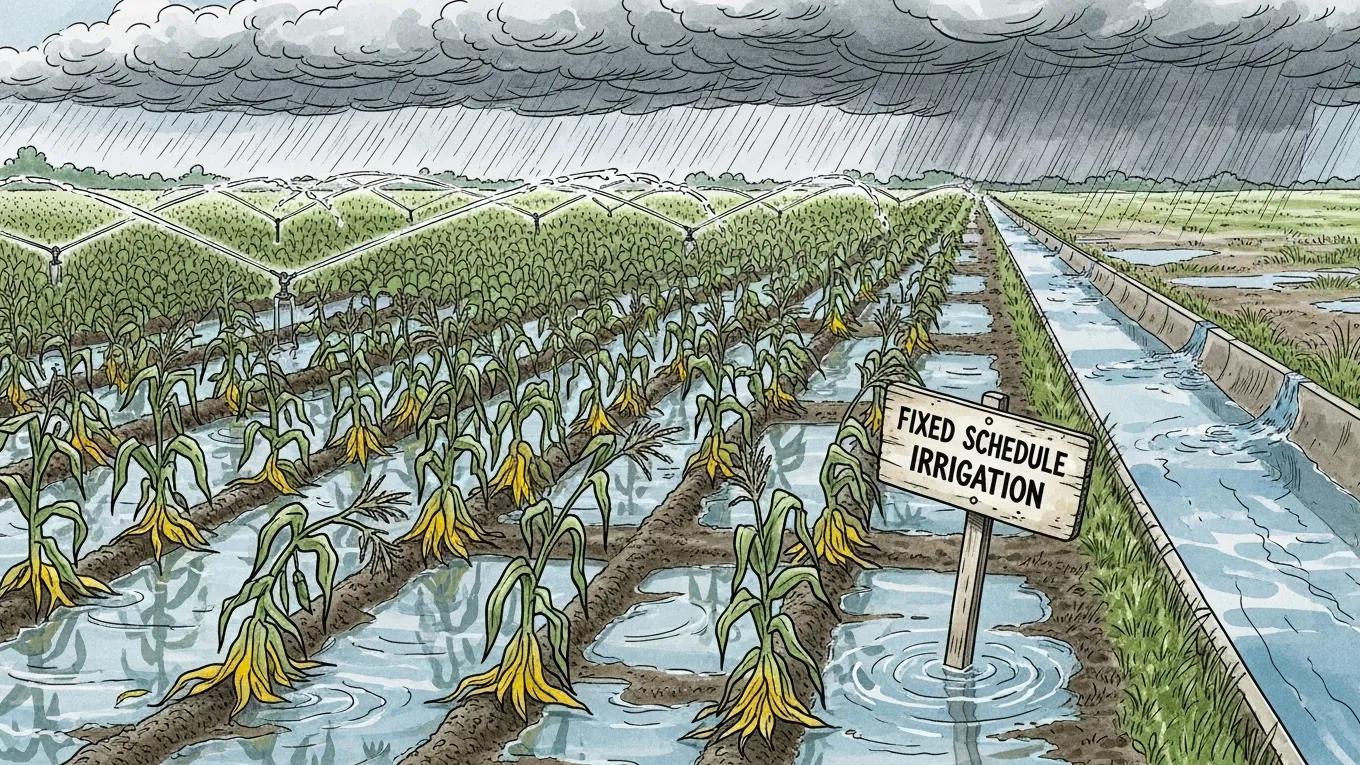
Traditional irrigation systems often rely on fixed schedules that do not account for current weather conditions. This can lead to overwatering, which not only wastes water but can also harm plants by promoting root rot. Additionally, these systems lack the ability to adapt to changing weather patterns, resulting in inefficient water use. The reliance on outdated methods can exacerbate water scarcity issues, making it essential to consider more advanced solutions.
How Smart Irrigation Systems Work: Real-Time Weather Adjustments, Zone-Specific Watering, and App-Based Control
Smart irrigation systems utilize real-time weather data to make automatic adjustments to watering schedules. This means that if it rains, the system can skip watering, conserving water and preventing over-saturation of the soil. Furthermore, these systems employ zone-specific watering techniques, ensuring that different areas of a landscape receive the appropriate amount of water based on the specific needs of the plants. Many smart irrigation systems also offer app-based control, allowing users to manage their irrigation remotely for added convenience.
Side-by-Side Comparison: Water Usage, Cost Over Time, Plant Health, and Compliance with Restrictions
When comparing smart irrigation systems to traditional sprinklers, several key factors come into play:
- Water Usage: Smart systems significantly reduce water consumption, while traditional systems often lead to waste.
- Cost Over Time: Although smart systems may have a higher initial investment, they can lead to lower water bills and maintenance costs in the long run.
- Plant Health: Smart irrigation promotes healthier plants by providing precise watering, whereas traditional systems can lead to overwatering and plant stress.
- Compliance with Restrictions: Smart systems are better equipped to comply with water usage restrictions during droughts, making them a more sustainable choice.
Real-World Example in Eagle County: How Smart Irrigation Made a Difference
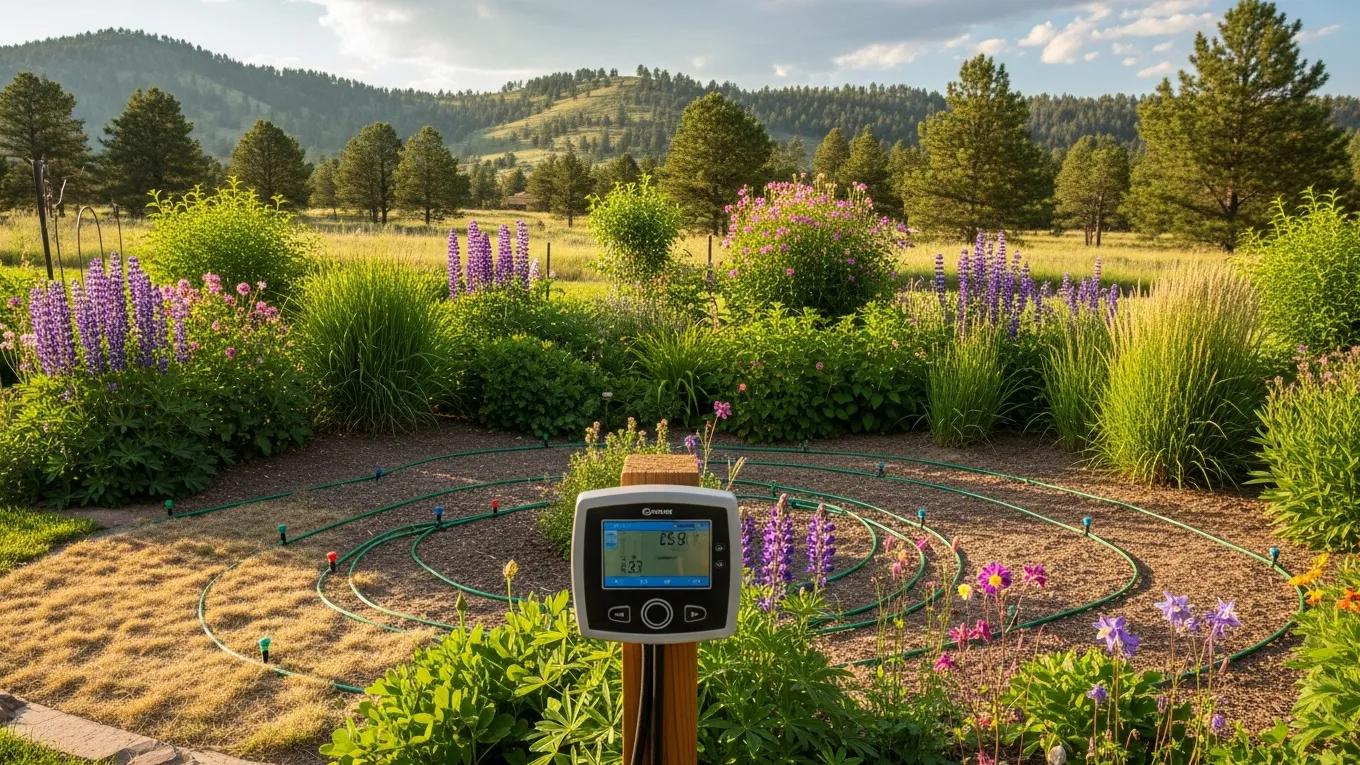
In Eagle County, the implementation of smart irrigation systems has led to significant water savings and improved landscape health. Homeowners reported reductions in water usage by up to 40% after switching from traditional sprinklers to smart systems. The local community has embraced this technology, recognizing its benefits not only for individual properties but also for the environment as a whole. Feedback from residents highlights the ease of use and effectiveness of these systems in maintaining beautiful, healthy gardens even during dry spells.
ROI Breakdown: Is Upgrading to Smart Irrigation Worth It?
Upgrading to smart irrigation systems can be a wise investment for homeowners and businesses alike. The initial costs may be higher, but the long-term savings on water bills and maintenance can offset this expense. Additionally, the benefits of improved plant health and compliance with water restrictions enhance the overall value of the investment. For those considering this upgrade, Earth Song Gardens offers expert installation and support for smart irrigation systems, ensuring optimal performance and water efficiency.
CTA: Upgrade to Smart Irrigation with Earth Songs Gardening in Vail Valley
If you’re looking to enhance your landscaping while conserving water, consider upgrading to a smart irrigation system. Earth Song Gardens specializes in sustainable landscaping design and maintenance, focusing on eco-friendly solutions that align with your needs. With efficient installation processes and a commitment to water-efficient landscaping, Earth Song Gardens can help you achieve a beautiful outdoor space that thrives even in drought conditions.