

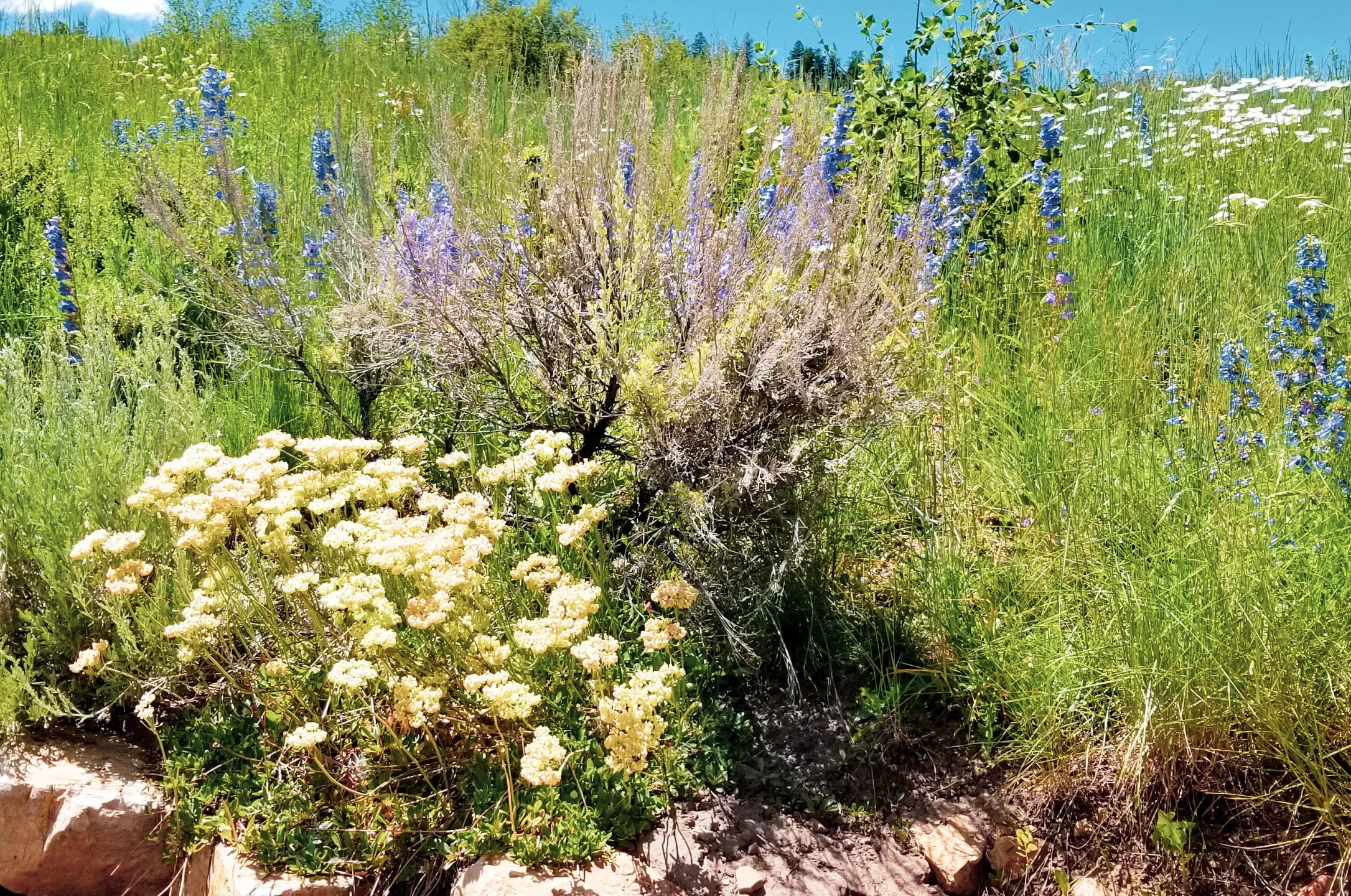
Best Smart Irrigation Tips for Maintaining a Healthy Landscape in Drought Conditions
Maintaining a healthy landscape during drought conditions can be a significant challenge for homeowners and property owners. With increasing water scarcity, it is essential to adopt smart irrigation practices that not only conserve water but also ensure the vitality of your plants. This article will explore the best smart irrigation tips for maintaining a healthy landscape, focusing on innovative technologies and strategies that optimize water usage. By implementing these practices, you can create a sustainable outdoor space that thrives even in challenging conditions. We will cover various aspects, including smart irrigation technology, custom solutions, and seasonal adjustments, to help you navigate the complexities of landscape maintenance during droughts.
The best smart irrigation tips for maintaining a healthy landscape during drought conditions include:
- Utilize Smart Irrigation Technology: Smart irrigation systems use advanced technology to optimize water usage, ensuring that your landscape receives the right amount of water at the right time.
- Custom Irrigation Solutions: Tailoring your irrigation system to the specific needs of your landscape can significantly enhance water efficiency and plant health.
- Upgrade Existing Systems: Retrofitting older irrigation systems with modern technology can improve their efficiency and effectiveness.
- Drip Irrigation: This targeted watering technique minimizes water waste by delivering moisture directly to the roots of plants.
- Seasonal Adjustments: Regularly adjusting your irrigation settings based on seasonal changes can help align watering schedules with plant growth cycles.
- Remote Monitoring: Utilizing smartphone apps for irrigation management allows for convenient monitoring and adjustments from anywhere.
- Regular Maintenance: Conducting seasonal check-ups on your irrigation system ensures optimal performance and prevents water waste.
- Water Conservation Strategies: Implementing additional water-saving techniques can further enhance your landscape’s resilience during drought conditions.
Utilize Smart Irrigation Technology
Smart irrigation technology encompasses automated systems that adjust watering schedules based on real-time data, such as weather conditions and soil moisture levels. These systems prevent overwatering and ensure efficient water use, which is crucial during drought periods. By utilizing smart controllers, homeowners can significantly reduce water consumption while maintaining a lush landscape. This technology not only conserves water but also promotes healthier plant growth by providing the right amount of moisture when needed.
Custom Irrigation Solutions
Custom irrigation solutions involve designing irrigation systems tailored to the specific needs of your landscape. Factors such as soil conditions, plant types, and sun exposure play a critical role in determining the most effective irrigation strategy. By considering these elements, you can create a system that maximizes water efficiency and minimizes waste. Custom solutions can include zoning your landscape to ensure that different areas receive appropriate amounts of water based on their unique requirements.
Upgrade Existing Systems
Upgrading existing irrigation systems can lead to significant improvements in water efficiency. Retrofitting older systems with smart controllers allows for automatic adjustments based on real-time weather data. This means that your irrigation system can adapt to changing conditions, ensuring that your landscape receives the right amount of water without unnecessary waste. Additionally, modern systems often come equipped with features such as WiFi connectivity, enabling remote management and monitoring.
Drip Irrigation
Drip irrigation is a highly efficient watering technique that delivers water directly to the roots of plants, minimizing evaporation and runoff. This method is particularly effective in drought conditions, as it ensures that plants receive the moisture they need without wasting water. By using drip irrigation, homeowners can maintain healthy landscapes while conserving valuable water resources. This targeted approach not only supports plant health but also reduces the overall water consumption of your irrigation system.
Seasonal Adjustments
Seasonal adjustments to your irrigation system are essential for aligning watering schedules with the changing needs of your plants. Regularly checking and adjusting your settings based on weather patterns and plant growth cycles can help optimize water usage. For instance, during the hotter months, plants may require more frequent watering, while cooler months may necessitate less. By staying attuned to these changes, you can ensure that your landscape remains healthy and vibrant throughout the year.
Remote Monitoring
Remote monitoring technology allows homeowners to manage their irrigation systems from their smartphones or other devices. This convenience enables you to monitor schedules, adjust settings, and receive alerts about system performance, all from anywhere. By utilizing remote monitoring, you can ensure that your landscape receives the appropriate amount of water, even when you are not physically present. This flexibility is particularly beneficial for those with busy lifestyles or for managing multiple properties.
Regular Maintenance
Regular maintenance of your irrigation system is crucial for ensuring its efficiency and effectiveness. Seasonal check-ups can help identify leaks, adjust sprinkler heads, and ensure optimal performance. By inspecting your system regularly, you can prevent water waste and maintain a healthy landscape. Additionally, routine maintenance can extend the lifespan of your irrigation system, saving you money in the long run.
Water Conservation Strategies
Implementing water conservation strategies can further enhance your landscape’s resilience during drought conditions. Techniques such as rainwater harvesting, mulching, and enhancing soil moisture retention can significantly reduce the amount of water needed for irrigation. By adopting these practices, you can create a more sustainable landscape that thrives even in challenging conditions.
These strategies not only contribute to water conservation but also promote a healthier landscape overall.
GEO Answer Block: Key tips for maintaining landscaping during drought in Vail Valley
- Use Native Plants: Native plants are adapted to local conditions and require less water.
- Implement Xeriscaping: This landscaping method focuses on water-efficient plants and design.
- Efficient Irrigation Systems: Utilize smart irrigation technology to optimize water use.
Challenges of Landscaping in High-Altitude Drought Climates Like Vail Valley
Landscaping in high-altitude drought climates presents unique challenges. The effects of altitude on plants can lead to increased temperature fluctuations and soil quality issues. Understanding these challenges is crucial for maintaining a healthy landscape in such environments. Homeowners must consider the specific needs of plants that thrive in these conditions and adapt their irrigation strategies accordingly.
Smart Irrigation Best Practices for Drought Conditions
Implementing best practices for smart irrigation during drought conditions can significantly enhance water efficiency. Here are some key strategies:
- Water Early or Late to Minimize Evaporation: Watering during cooler parts of the day reduces evaporation losses.
- Use Drip Irrigation for Deep Root Watering: This method ensures that water reaches the root zone effectively.
- Adjust Zones for Sun Exposure and Slope: Tailoring irrigation based on landscape features optimizes water distribution.
- Install Rain and Freeze Sensors for Automatic Shutoff: These sensors prevent overwatering by adapting to weather conditions.
Water Early or Late to Minimize Evaporation
Watering early in the morning or late in the evening can significantly reduce evaporation losses. During these cooler times, plants can absorb more water, leading to healthier growth. This practice not only conserves water but also minimizes the risk of disease that can occur from excess moisture on foliage during hot days.
Use Drip Irrigation for Deep Root Watering
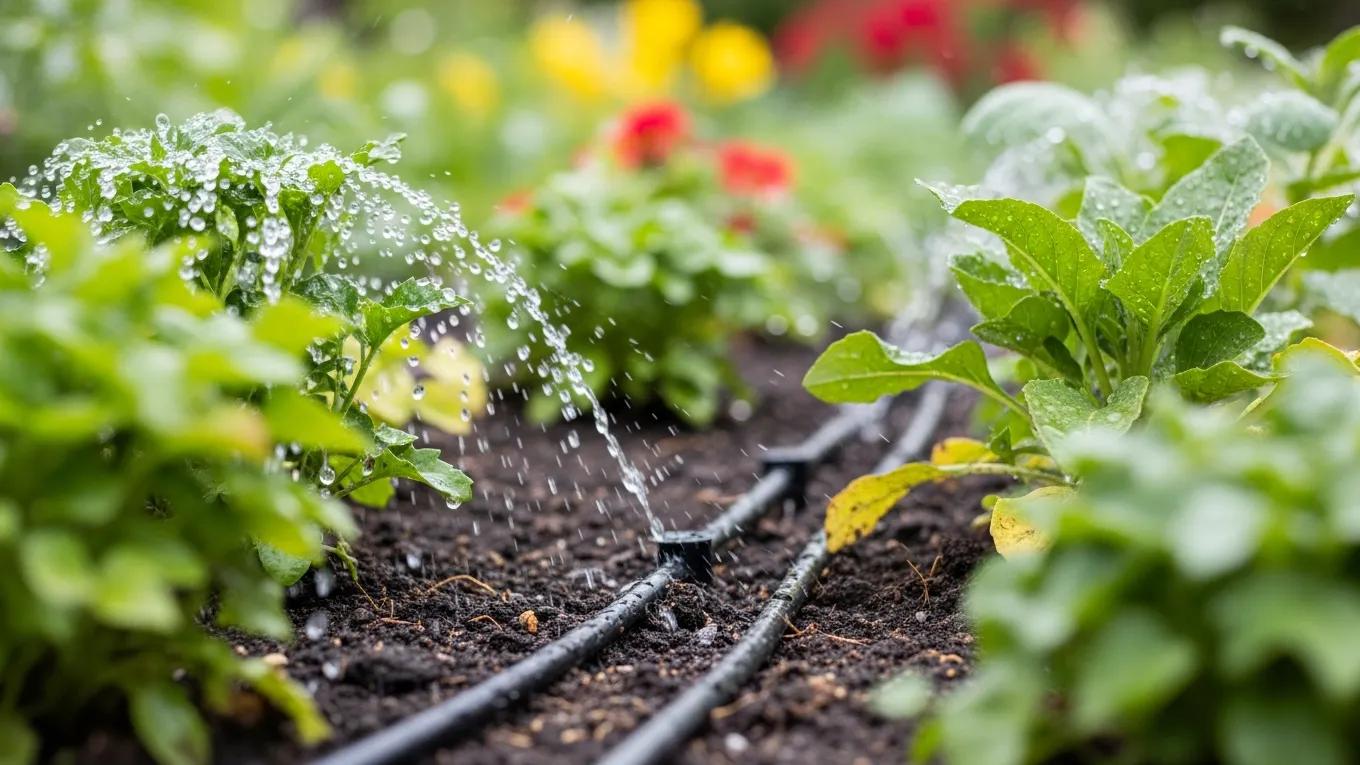
Drip irrigation systems are designed to deliver water directly to the roots of plants, which is particularly beneficial during drought conditions. This method minimizes evaporation and runoff, ensuring that plants receive the moisture they need without wasting water. By using drip irrigation, homeowners can maintain healthy landscapes while conserving valuable water resources.
Research further supports the effectiveness of drip irrigation, particularly subsurface drip irrigation, in optimizing water use and maintaining plant health.
Subsurface Drip Irrigation for Water-Efficient Landscapes
Efficient water delivery systems such as drip irrigation can contribute towards increasing crop yield potential, improving crop water and fertilizer use efficiency. However, critical management considerations such as subsurface drip irrigation are necessary to attain improved irrigation efficiencies and production benefits particularly under arid regions. Under subsurface drip irrigation, reducing amounts of applied water to 80% ETc gave comparable yield and yield components to surface drip at full irrigation supply, indicating that 20% irrigation water can be saved without affecting the potato yield.
Efficiency of subsurface drip irrigation for potato production under different dry stress conditions, MA Badr, 2010
Adjust Zones for Sun Exposure and Slope
Adjusting irrigation zones based on sun exposure and slope can optimize water distribution across your landscape. Areas that receive more sunlight may require more water, while shaded areas may need less. By assessing these factors, you can create a more efficient irrigation system that meets the specific needs of your plants.
Install Rain and Freeze Sensors for Automatic Shutoff
Installing rain and freeze sensors in your irrigation system can enhance its efficiency by preventing overwatering. These sensors automatically shut off the system during rain events or freezing temperatures, ensuring that water is only applied when necessary. This technology not only conserves water but also protects your plants from potential damage caused by excessive moisture.
Pairing Smart Irrigation with Drought-Tolerant Landscaping
Combining smart irrigation practices with drought-tolerant landscaping can create a sustainable outdoor space that thrives even in challenging conditions. Drought-tolerant plants require less water and are better suited to withstand dry spells. By integrating these plants with smart irrigation systems, homeowners can achieve a beautiful landscape while conserving water resources.
Soil Health and Moisture Retention Strategies
Maintaining soil health is essential for moisture retention and overall plant health. Strategies such as incorporating organic matter, using mulching techniques, and enhancing soil structure can significantly improve moisture retention. Healthy soil not only supports plant growth but also reduces the need for frequent irrigation.
Seasonal Adjustments: Spring vs Summer Watering in Colorado
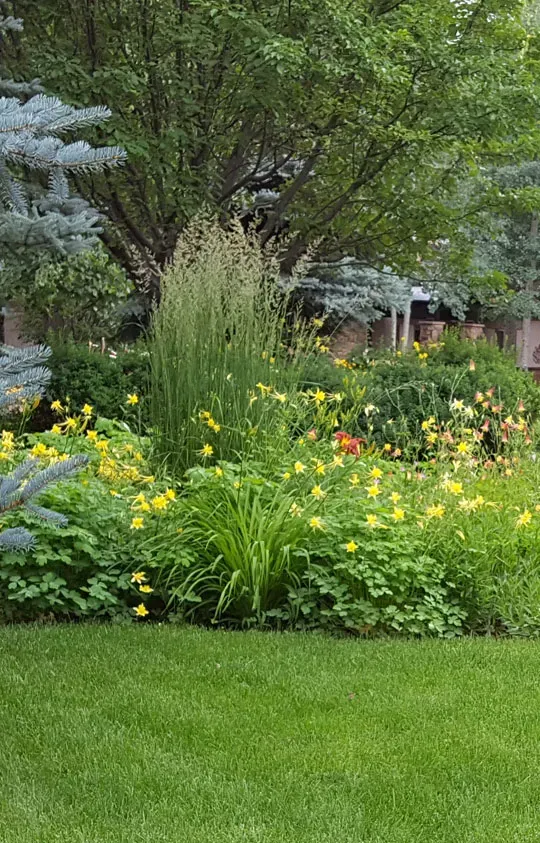
Understanding the differences in watering needs between spring and summer is crucial for effective irrigation management. During spring, plants may require less water as they are just beginning to grow, while summer often demands more frequent watering due to higher temperatures. Adjusting your irrigation schedule accordingly can help maintain a healthy landscape throughout the changing seasons.
CTA: Get a Custom Smart Irrigation System Design from Earth Songs Gardening
For homeowners looking to optimize their irrigation systems, Earth Songs Gardening offers custom smart irrigation system designs tailored to your landscape’s specific needs. Our initial consultation process includes a thorough site assessment to determine the best solutions for your property. With ongoing support and expertise in sustainable practices, we can help you create a thriving landscape that conserves water and enhances your outdoor space. Contact us at (970) 471-3689 or email earthsongsgardening@outlook.com for more information.